Tree Removal Services: Ensuring Safety and Aesthetic Appeal in Your Yard
Tree removal service options are a vital aspect of preserving a secure and aesthetically pleasing outdoor space. Trees that are overgrown, damaged, or diseased can present serious hazards to both property and people. Moreover, carefully planned tree removal can greatly elevate the overall beauty of an outdoor space. Understanding when and why these services are essential can help homeowners make informed decisions. What key elements should property owners weigh before undertaking tree removal?
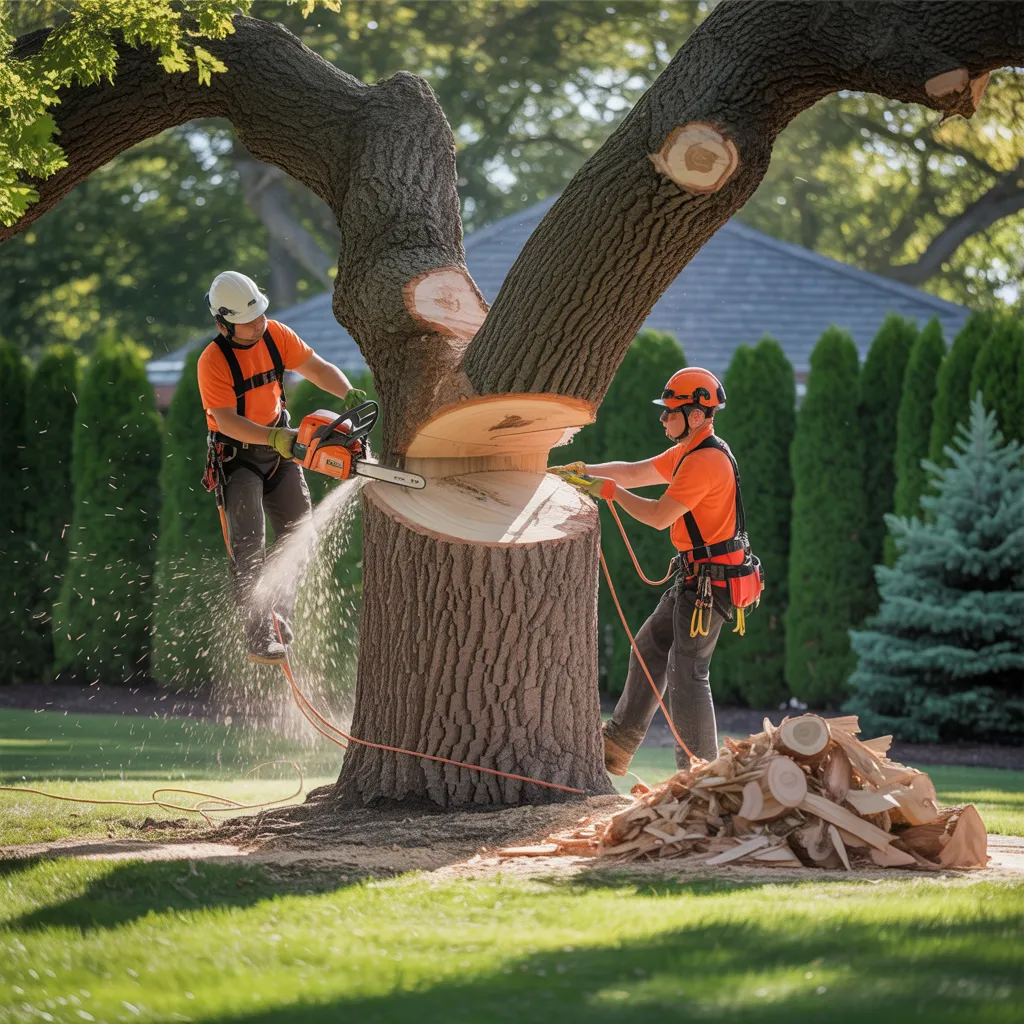
Identifying When Tree Removal Is Required
In addition, environmental factors, such as roots encroaching on structural foundations or sidewalks, can require the tree to be removed. Finally, the broader aesthetic and space-related concerns in a yard may influence the decision. By evaluating these aspects, landowners can form sound judgments regarding removing trees, ensuring the safety and visual appeal of their surroundings.
Why Tree Removal Matters for Safety
When assessing property safety, tree removal frequently becomes helpful guide necessary, specifically when trees create dangers for adjacent buildings or individuals. Deteriorating or overgrown trees can create substantial risks, including dropping branches or whole trees toppling during severe weather. These occurrences can result in extensive damage to residences, vehicles, and exterior spaces, while also presenting a danger to the wellbeing of residents and guests.
Furthermore, trees plagued by pests or diseases may undermine their structural integrity, elevating the probability of sudden failures. In urban settings, proximity to power lines further amplifies the necessity of removal, as falling branches can interrupt electrical services and produce dangerous situations.
The Impact of Professional Tree Removal on Landscape Aesthetics
Expert tree removal significantly improves the visual appeal of landscapes by creating better visual equilibrium in outdoor areas. By thoughtfully taking out overgrown or improperly situated trees, property owners can boost natural light penetration, promoting healthier growth of surrounding plants. Furthermore, a well-maintained landscape often leads to enhanced property value, rendering professional tree removal an excellent long-term investment.
Enhanced Visual Harmony
A well-maintained landscape often relies on the precise balance of its elements, and tree removal can prove essential to achieving this harmony. When certain trees develop beyond their intended scope or clash with the overall design, they can interrupt the aesthetic continuity of the yard. Professional tree removal allows homeowners to reconfigure views and develop a more cohesive aesthetic. This process can highlight the significance of existing features, such as garden beds or decorative stonework, allowing them to stand out without interference from unruly foliage. Furthermore, the removal of damaged or lifeless trees can eliminate unsightly disorder, contributing to a more pristine visual presentation. Ultimately, carefully planned tree removal fosters a sense of order, enhancing the beauty and appeal of the overall landscape.
Heightened Sun Exposure
Although trees offer shade and shelter, too much canopy coverage commonly causes decreased natural light in outdoor spaces. Skilled tree removal can substantially boost the attractiveness of outdoor environments by enabling more sunlight to filter through. Enhanced sunlight exposure nurtures stronger grass and plants, stimulating rich colors and vigorous development. Furthermore, it can create a more inviting atmosphere, making outdoor spaces feel larger and more open. This change can additionally accentuate the architectural elements of the home and enhance the general visual harmony of the landscape. With the thoughtful elimination of certain trees, property owners can accomplish a pleasing balance of foliage and sunlight, enriching the experience of their outdoor surroundings.
Boosted Property Value
Strategic tree removal can significantly boost property value by enhancing landscape aesthetics. When dead, diseased, or overcrowded trees are removed, homeowners can create a more open and inviting space. This not only promotes improved sunlight exposure but also highlights the surrounding vegetation, giving the yard a more polished and appealing look. Expert tree removal services ensure that trees are cleared safely and effectively, avoiding harm to nearby structures. Furthermore, a properly maintained landscape can elevate curb appeal, making properties more attractive to prospective buyers. By choosing professional tree removal services, homeowners can dramatically improve the aesthetic quality of their outdoor areas, resulting in a notable rise in property value and market appeal.
What to Look for in a Tree Removal Service
When choosing a tree removal service, what factors should one consider to ensure a successful and smooth process? First, verify the company's credentials, including insurance and licensing. This confirms that the service is legitimate and protects against potential liabilities. Furthermore, evaluate the skill level and knowledge of the team. An experienced crew can properly evaluate the circumstances and complete the removal without harming nearby structures.
Furthermore, feedback and testimonials from past clients help gauge the company's dependability and standard of work. A credible service should also present well-defined and comprehensive estimates and a straightforward process, outlining potential risks and strategies. To conclude, seek information regarding safety procedures and machinery applied during the removal process. Emphasizing these important attributes can ensure a more streamlined experience, guaranteeing the tree is eliminated properly while ensuring safety and a professional approach from start to finish.
Yard Care Tips After Tree Removal
Following tree removal, property owners should prioritize rejuvenating the outdoor space to recover its beauty and ecological balance. The primary step includes inspecting the area for any remaining roots or debris, which may obstruct new plant development. Clearing away any leftover stump or wood chips is critical to prevent pest infestations and create space for new plants.
Furthermore, property owners should evaluate the health of their soil. Testing the soil can uncover nutritional gaps, enabling suitable soil amendments to encourage new plant growth. Choosing native or well-adapted species for replanting can assist in preserving the ecological balance and elevate the overall appearance of the landscape. Applying mulch around newly planted vegetation preserves water content in the soil and prevents weed growth.
Routine watering and pest monitoring are critical in the initial growth phase. In addition, developing a consistent upkeep routine, such as routine pruning and fertilizing, helps foster a thriving outdoor space. By following these tips, homeowners can guarantee their yards thrive post-tree removal.
Busting Myths Surrounding Tree Removal Services
In the field of tree removal services, a number of misconceptions commonly emerge that can mislead homeowners. These misconceptions frequently ignore important factors such as safety risks and the environmental impact of tree removal. By clarifying these frequent misunderstandings, a more accurate understanding of professional tree removal services can develop.
Popular Misconceptions Addressed
Misconceptions about tree removal services commonly distort public perception, leading to hesitation in seeking professional help. A common misconception is that tree removal is inherently hazardous and must only be handled by certified professionals. Although safety remains a top priority, numerous trees can be safely taken down using the right methods and tools. Another misconception is that tree removal always leads to higher property value; yet this outcome is far from guaranteed and relies on multiple considerations. Moreover, certain homeowners think that taking down a tree creates an unappealing outdoor space, however, experienced arborists can elevate the visual appeal of a yard through strategic planning. Ultimately, addressing these myths can encourage homeowners to make informed decisions regarding tree removal services without fear or misunderstanding.
Safety Risks Ignored
Despite the common belief that tree removal is a simple process, many homeowners underestimate the hazards involved. The process is more than just cutting down a tree; it requires expertise to manage potential hazards such as falling branches, electrical lines, and unstable ground. Those without proper training often fail to account for these dangers, causing injuries or property damage. Moreover, the use of heavy equipment requires specific knowledge to use without incident. Myths persist that hiring professionals is avoidable, yet experienced tree removal services are equipped with the right tools and safety protocols to mitigate risks. Ignoring these safety concerns can have serious repercussions, making it essential for homeowners to understand the complexities of tree removal before attempting it themselves.
Myths About Environmental Impact
While many believe that tree removal is always damaging to the environment, this viewpoint frequently neglects key considerations. When conducted properly, tree removal can foster ecological stability. As an example, removing dead or diseased trees prevents the spread of pests and diseases, safeguarding surrounding flora. In addition, carefully planned tree removal can improve light penetration for thriving vegetation and improve soil quality by reducing competition for nutrients. Moreover, once trees are cleared, responsible measures including replanting or using native species in landscape design can result in greater biodiversity. Unfounded beliefs that all tree removal causes damage overlook the positive outcomes of well-considered intervention, demonstrating that when done correctly, tree removal can contribute positively to the environment. Understanding these nuances is essential for informed decision-making regarding tree care.
Frequently Asked Questions
How Much Does Tree Removal Typically Cost?
Tree removal services generally run between $300 and $2,000, with the price influenced by factors like the size of the tree, its location, and the difficulty of the work. You may also incur additional costs for removing the stump or navigating hard-to-reach locations.
Is Tree Removal Covered by Homeowners Insurance?
Tree removal might be part of a homeowners insurance policy, depending on the policy specifics and the reason for removal. It is important for home owners to thoroughly review their coverage and reach out to their insurance company for a better understanding.
How Long Does the Tree Removal Process Take?
Tree removal usually takes anywhere from a few hours to an entire day, determined by the tree's location, size, and overall complexity. Elements such as the availability of crew and equipment can also affect the length of the job.
Can I Remove a Tree Myself?
Taking down a tree on your own is feasible, but it requires significant knowledge, skill, and safety precautions. Several considerations, including the dimensions and position of the tree, impact the determination. Expert help is frequently advised to ensure safety and correct methodology.
What Permits Are Needed for Tree Removal?
Local ordinances typically govern the permits needed for tree removal. Typically, property owners must consult local regulations, as permits might be necessary for specific tree species, sizes, or if the tree is found within designated protected zones.